
Understanding Uber Inspections Online: Key Concepts
In the ever-evolving rideshare landscape, vehicle inspections play a crucial role in ensuring the safety and compliance of drivers and passengers alike. As rideshare platforms like Uber gain popularity, the process of obtaining vehicle inspections has become more streamlined thanks to the advent of technology. The option for an Uber inspection online not only simplifies the procedure but also enhances accessibility for drivers. In this article, we will explore the intricacies of online inspections, the benefits they offer, and how they can be conducted effectively.
What is an Uber Inspection Online?
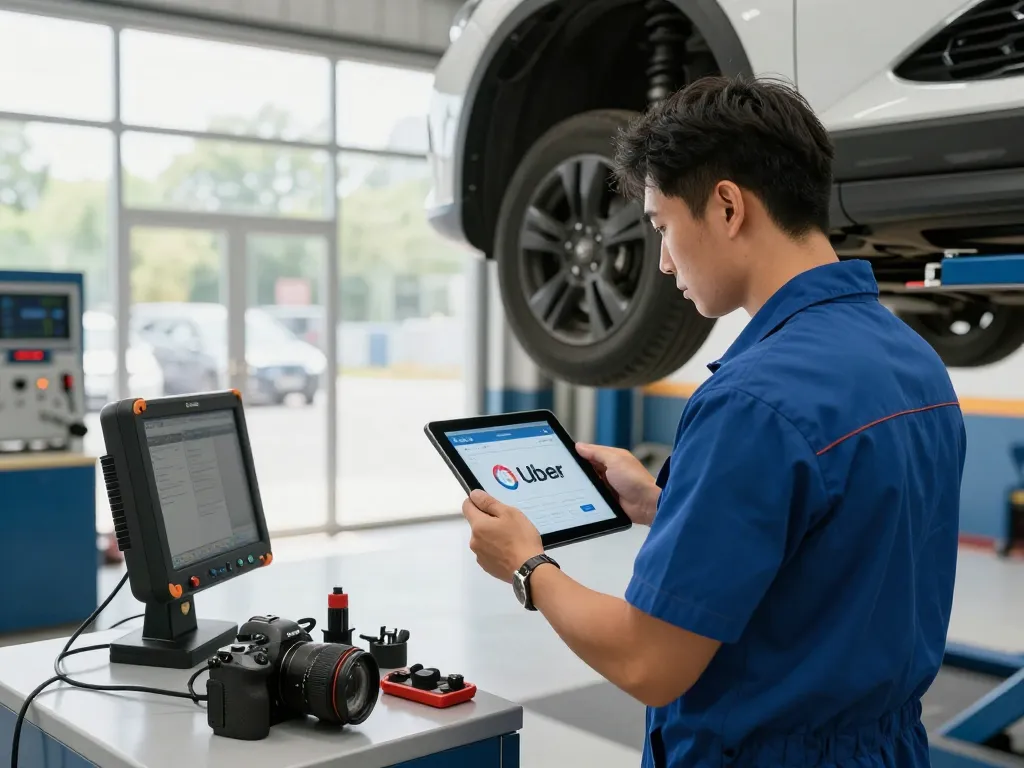
An online Uber inspection is a virtual evaluation of a vehicle conducted through digital means, often utilizing video conferencing tools to connect the driver with a certified mechanic. This innovative approach allows ride-sharing drivers to fulfill their vehicle inspection requirements from the comfort of their homes, without the need to visit a physical inspection station. The process typically follows Uber’s specific guidelines and includes a thorough 19 to 22-point vehicle check to ensure that vehicles are safe and compliant with regulations.
Benefits of Conducting Inspections Online
- Convenience: Online inspections save drivers time and effort, eliminating the need to schedule appointments and travel to inspection locations.
- Speed: Many online services offer rapid inspections that can be completed in as little as 15 minutes, allowing drivers to get back on the road quickly.
- Cost-effective: Typically, online inspections are priced competitively and may offer free trials or money-back guarantees if the vehicle fails to meet inspection standards.
- Accessibility: Drivers in remote areas can easily access inspection services that may not be available locally.
How Online Inspections Work: A Step-by-Step Overview
- Initial Setup: The driver registers on the inspection platform, providing details about their vehicle and personal information.
- Video Connection: The inspection is conducted via a live video call where the mechanic guides the driver through the inspection process.
- Real-time Assessment: The mechanic checks various components of the vehicle, including brakes, tires, lights, and overall vehicle condition.
- Documentation: Once completed, the mechanic provides a report that can be submitted to Uber or saved for future reference.
Preparing Your Vehicle for an Online Inspection
Before engaging in an online inspection, it is essential for drivers to prepare their vehicles adequately. Proper preparation not only facilitates a smoother inspection process but also increases the likelihood of passing the inspection on the first attempt.
Essential Vehicle Requirements for Uber
To pass an Uber inspection, vehicles must meet certain requirements, which may vary slightly by state or region. However, the common requirements include:
- Four doors and a seating capacity of at least five passengers.
- No major cosmetic damage or signs of structural integrity issues.
- A functioning seatbelt for every passenger.
- Updated registration and proof of insurance.
- Compliance with local emissions standards.
Common Issues to Address Before Inspection
Drivers should be aware of common issues that can lead to failures in inspections. Here are some typical problems to check before your appointment:
- Bulb malfunctions in headlights and brake lights.
- Worn or inadequate tire tread depth.
- Fluid leaks from the engine or undercarriage.
- Brake functionality and responsiveness.
- Windshield condition, including cracks or chips.
Maintaining Your Vehicle for Rideshare Compliance
Regular vehicle maintenance is crucial for rideshare compliance. Drivers should adhere to routine maintenance schedules, including oil changes, tire rotations, and inspections of brake systems. Additionally, keeping detailed records of maintenance will provide a strong defense if any issues arise during an inspection.
Conducting an Effective Online Inspection
Conducting an online inspection requires some preparation from both the driver and the inspector. Being familiar with the tools and best practices can enhance the effectiveness of the inspection.
Tools and Software for Vehicle Inspections
Modern online inspections utilize various tools and software platforms to facilitate evaluations. Commonly used tools include:
- Video conferencing software (Zoom, Skype, etc.) for real-time interaction.
- Mobile apps that provide inspection checklists and digital forms.
- Diagnostic tools that can connect to the vehicle’s onboard computer for deeper diagnostics.
Best Practices for Virtual Inspections
To maximize the effectiveness of an online vehicle inspection, consider the following best practices:
- Ensure a stable internet connection to minimize interruptions during the inspection.
- Position your smartphone or camera at angles that clearly show the vehicle’s components.
- Follow the mechanic’s instructions carefully to avoid missing critical checks.
- Have all necessary documentation ready to present to the inspector.
Understanding the Inspection Checklist
Familiarizing yourself with the inspection checklist provided by Uber can help streamline the process. The checklist typically covers the following areas:
- Exterior inspection (body integrity, lights, tires).
- Interior functionality (seats, seatbelts, controls).
- Under-the-hood components (fluid levels, battery condition).
- Braking system performance.
Post-Inspection: What to Do Next
After completing the online inspection, understanding the results and the next steps is paramount for rideshare drivers.
Interpreting Inspection Results
Once the inspection is finalized, drivers will receive a report detailing the results. If the vehicle passes, this document should be uploaded to the Uber platform as proof of compliance. If there are failed components, it is vital to address these issues promptly.
Addressing Common Failures and Repairs
Common failures during inspections often relate to tire conditions, brake issues, and lighting problems. Drivers should prioritize repairs based on urgency and safety:
- Replace worn tires to prevent blowouts.
- Service brake systems if they show signs of wear.
- Fix lighting issues immediately to enhance visibility.
Next Steps for Rideshare Drivers
After addressing any issues and completing repairs, drivers should re-initiate the inspection process if necessary. Maintaining a proactive approach towards vehicle condition ensures compliance and enhances safety for everyone on the road.
The Future of Vehicle Inspections in Rideshare: Trends for 2026
The landscape of vehicle inspections is changing rapidly, especially in the rideshare industry. Emerging technologies and regulatory shifts are reshaping how inspections are perceived and conducted.
Emerging Technologies in Online Inspections
As technology continues to advance, new tools are emerging that will further streamline the inspection process. Expect to see:
- Increased use of augmented reality (AR) for enhanced remote inspections.
- Integration of artificial intelligence (AI) that can provide real-time feedback during inspections.
- Blockchain technology for secure and transparent inspection records.
Regulatory Changes Impacting Rideshare Vehicles
Regulatory bodies are increasingly focused on safety in the rideshare industry. As regulations tighten, inspections will likely become more frequent and stringent, necessitating ongoing driver education about new requirements.
The Increasing Role of AI in Vehicle Inspections
AI has the potential to revolutionize vehicle inspections by providing predictive maintenance insights and identifying potential issues before they become critical. This proactive approach to vehicle health will greatly benefit rideshare drivers in maintaining their vehicles efficiently.
Common Questions Drivers Ask
What is an Uber inspection online?
An Uber inspection online is a virtual check conducted by qualified mechanics via video technology, aimed at evaluating a vehicle’s safety and compliance with Uber’s standards.
Is Uber inspection free?
While some services may charge for inspections, Uber provides free inspections in specific cities through their Greenlight Hubs.
How often do rideshare vehicles need inspection?
Rideshare vehicles are typically required to pass inspections annually or every 50,000 miles, depending on local regulations.
Can any mechanic perform an Uber inspection?
Not every mechanic is qualified to perform Uber inspections. Only those who meet Uber’s criteria and are registered with the platform can conduct these inspections.
What happens if my vehicle fails the inspection?
If a vehicle fails the inspection, drivers are informed of the specific issues that need addressing. Repairs must be completed before a follow-up inspection can take place to ensure compliance.