Understanding AI Image Generation Technology
In recent years, the artistic landscape has witnessed a revolutionary transformation driven by advancements in artificial intelligence (AI). The AI image generator from image technology has made it easier for creators to unlock new dimensions of creativity. This article delves into the intricacies of AI image generation, exploring its features, applications, and best practices to effectively harness this powerful tool for artistic endeavors.
What is an AI Image Generator?
An AI image generator is a sophisticated tool that utilizes algorithms and machine learning techniques to create or manipulate images based on input data. By harnessing neural networks, these generators can produce highly realistic images, convert sketches into finished art pieces, and even offer variations of existing images with unique styles and elements. The magic lies in their ability to learn from vast datasets, allowing them to generate artwork that ranges from photorealistic representations to abstract concepts.
The Evolution of Image Generation Tools
The journey of image generation tools began with basic graphic design software, which primarily relied on manual input and creativity. However, the advent of AI drastically altered this paradigm. Early models focused on simple generative tasks, while contemporary systems leverage deep learning and vast data sets to produce images that are highly nuanced and lifelike. Today, tools like GANs (Generative Adversarial Networks) and VAEs (Variational Autoencoders) have set remarkable benchmarks in the realm of AI image generation, paving the way for sophisticated applications across various sectors.
Key Features of Modern AI Image Generators
- Customization and Versatility: Users can input images, choose styles, and specify desired outcomes, allowing for tailored artistic creations.
- Real-time Processing: Many generators now offer instant results, enabling artists to experiment and iterate rapidly.
- Integration with Creative Software: Modern tools are often compatible with popular graphic design software, streamlining workflows for artists.
- Accessibility: With many platforms available online, a broad spectrum of creators can now access sophisticated image generators without the need for extensive technical knowledge.
How AI Image Generators Enhance Creative Processes
By integrating AI into the creative workflow, artists can explore their visions in groundbreaking ways. The automation and enhancement capabilities of AI can lead to significant improvements in efficiency and creativity, allowing artists to focus their talents on conceptualizing rather than executing every detail.
Streamlining Workflows for Digital Artists
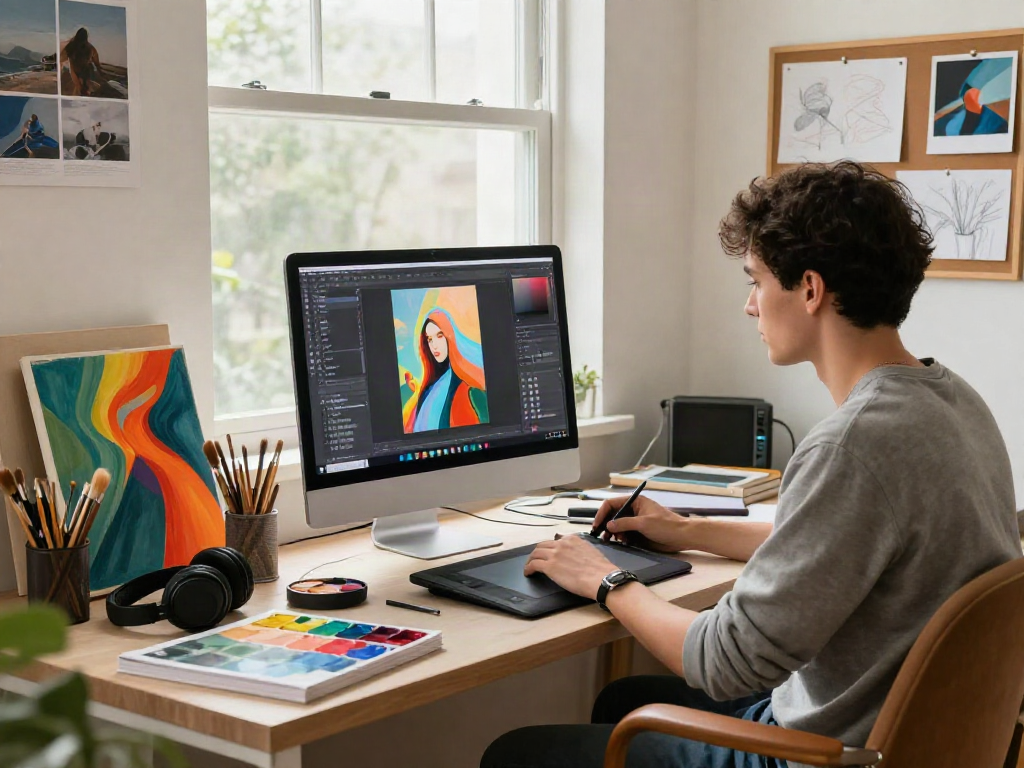
Digital artists often find themselves bogged down by repetitive tasks. AI image generators help alleviate this burden by automating time-consuming processes, such as color correction, resizing, and background generation. This not only speeds up project timelines but also frees up valuable time for artists to engage in more complex creative aspects, such as ideation and composition.
Real-World Applications of AI in Art Creation
AI image generators are being utilized in various fields, including marketing, gaming, and fashion. For instance, brands employ these tools to create marketing visuals that are tailored to specific demographics. In gaming, AI is used to generate vast landscapes and characters, enriching the user experience. Similarly, fashion designers use AI to visualize collections, producing designs that resonate with current trends while also pushing the boundaries of creativity.
Common Challenges and Solutions in Using AI Tools
While AI image generators present numerous benefits, challenges persist. Some artists grapple with the technicality of the tools, while others worry about the authenticity of AI-generated art. To combat these obstacles, artists can engage in workshops and tutorials that enhance their understanding of AI technology and its applications. Additionally, embracing a collaborative mindset—where AI serves as a partner rather than a replacement—can lead to stunning outcomes that merge human creativity with machine intelligence.
Best Practices for Utilizing AI Image Generators
To fully leverage the potential of AI in artistic creation, familiarity with best practices is vital. Understanding how to choose the right software and effectively create images can significantly impact the artistic process.
Choosing the Right Software for Your Needs
With countless AI image generators on the market, selecting the most suitable one can be daunting. When evaluating options, consider factors like usability, compatibility with existing software, and the specific features that align with your artistic goals. For instance, some tools excel in photorealism, while others might be better suited for abstract art. A platform like ai image generator from image can provide comprehensive insights and cater to various artistic needs.
Tips for Effective Image Creation Techniques
- Start with a Clear Vision: Define what you want to create before inputting any data into the AI tool.
- Experiment with Different Inputs: Vary your source images and styles to discover unexpected results.
- Refine and Iterate: Use generated images as a foundation but refine them manually to enhance detail and depth.
- Utilize Feedback: Share your work with peers and seek constructive criticism to improve your technique.
Measuring Success: Metrics for Tracking Artistic Growth
As you integrate AI into your creative process, it's essential to establish metrics that quantify your progress. Track aspects such as the time spent on each project, the number of iterations required, and even audience engagement. Successful integration of AI should lead to an increase in efficiency and artistic output, allowing you to push boundaries and explore new creative territories.
Future Trends in AI Image Generation for Creatives
The future of AI image generation is poised for remarkable growth. As technology continues to evolve, so do the tools available to artists, providing new opportunities and challenges in equal measure.
Predictions for AI Technology Advancements by 2026
By 2026, we can expect AI image generators to become even more sophisticated, incorporating enhanced learning algorithms and deeper personalization features. This will allow for hyper-specific outputs tailored to individual artistic styles and preferences, enabling creators to maintain a unique voice while harnessing AI's power.
Understanding Changing User Needs and Behaviors
As AI tools become more embedded in artistic practices, user expectations will shift. Artists will seek more intuitive interfaces and features that enhance collaboration between AI and human creativity. Additionally, there will be a growing demand for ethical use of AI in art, addressing concerns over copyright, authenticity, and cultural sensitivity.
Case Studies of Successful AI Utilization in Art
Numerous artists have successfully integrated AI into their work, achieving remarkable results. For example, a well-known graphic designer recently showcased a series of AI-enhanced illustrations that brought traditional techniques into the modern digital age. By employing AI to generate intricate backgrounds and textures, they were able to focus on the character design, resulting in a cohesive and visually striking series that received acclaim across multiple platforms.
Frequently Asked Questions About AI Image Generators
How does an ai image generator from image work?
An AI image generator operates by analyzing input images and applying learned patterns from vast datasets to produce new images. Utilizing techniques like deep learning, it can understand color, composition, and style to create outputs that are aesthetically pleasing and contextually relevant.
Can AI replace traditional artists in the future?
While AI can assist in the creative process, it is unlikely to replace traditional artists entirely. Instead, AI should be seen as a tool that enhances human creativity, allowing artists to explore new styles and techniques without diminishing the value of human input. The unique perspective and emotional depth that human artists bring to their work will always remain irreplaceable.
What are the legal implications of using AI-generated images?
The legal landscape surrounding AI-generated art is still evolving. Artists must be cautious about copyright issues, especially when using AI tools that learn from existing works. It's crucial to understand the terms of use of the software and how it handles the outputs it generates, ensuring that creators can legally use and profit from their work.
How to select the best AI image generator software?
Choosing the right AI image generator software involves evaluating your artistic goals and technical requirements. Consider factors such as ease of use, feature set, and community support. Take advantage of free trials to explore different options and determine which tool aligns best with your creative process.
What skills do I need to effectively use an AI image generator?
To effectively utilize an AI image generator, a blend of artistic and technical skills is beneficial. A fundamental understanding of design principles, color theory, and composition will enhance your ability to create compelling images. Additionally, familiarity with the specific AI tool you choose will allow you to maximize its potential and integrate it smoothly into your workflow.