
Understanding RFID Control de Accesos Technology
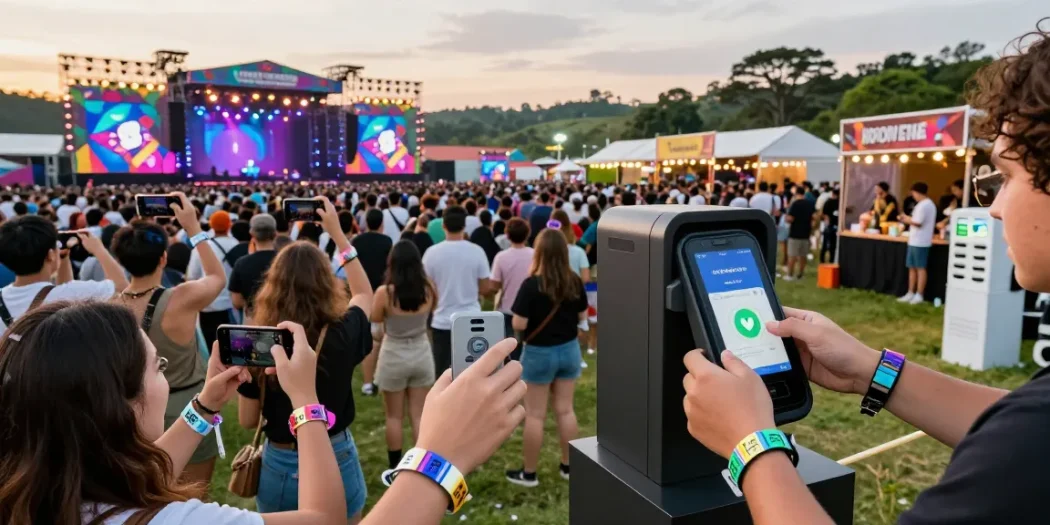
In today’s fast-paced event management landscape, efficiency and attendee experience are paramount. One technology that has revolutionized the way organizers manage large gatherings is RFID control de accesos. This innovative solution enables seamless entry management, cashless transactions, and real-time data monitoring, making it ideal for festivals, conferences, and corporate events alike. When considering how to implement such a system, RFID control de accesos offers a comprehensive framework that caters to various event sizes and requirements.
What is RFID Technology?
Radio Frequency Identification (RFID) technology utilizes electromagnetic fields to automatically identify and track tags attached to objects. In the context of event management, RFID wristbands are typically used to grant access to attendees, monitor attendance, and facilitate cashless transactions. These wristbands contain embedded chips that store unique identifiers, allowing event organizers to easily manage entry points and enhance attendee interaction without physical contact.
Benefits of RFID in Event Management
- Enhanced Security: RFID systems improve security by reducing the risk of unauthorized access. Each wristband is unique, making duplication nearly impossible.
- Faster Check-In: RFID technology enables rapid entry, significantly reducing queuing times and enhancing the overall attendee experience.
- Real-Time Data Insights: Organizers can monitor attendance patterns and crowd density, allowing for quicker responses to potential issues.
- Increased Revenue: Cashless payment options linked to RFID wristbands streamline purchasing and can increase sales by up to 30% at food and beverage outlets.
Common Misconceptions About RFID Systems
Despite the many benefits of RFID technology, several misconceptions persist. Some event organizers believe that RFID systems are too complex or costly to implement. However, advancements in technology have made RFID solutions more accessible than ever. Additionally, the perceived issues of reliability are often unfounded; when properly implemented, RFID systems provide consistent and robust performance, even at large-scale events.
Choosing the Right RFID System for Your Event
When selecting an RFID system, various factors should be considered to ensure it aligns with your event objectives. The right solution will not only enhance the guest experience but also streamline operations.
Key Features to Look For
- Scalability: Your chosen system should accommodate the number of attendees expected, from intimate gatherings to large festivals.
- Integration Capabilities: Ensure that the RFID system can integrate with existing software solutions, such as ticketing systems and event management platforms.
- Real-Time Analytics: Look for systems that provide real-time data reporting to help you assess attendee flow and make data-driven decisions.
Comparing RFID Solutions: Cost and Features
When comparing different RFID solutions, it’s essential to assess both the cost and the features offered. While some systems may come with a lower upfront cost, they might lack the capabilities needed for optimal performance. Conducting a thorough analysis of the total value provided, including support and training services, is crucial for informed decision-making.
Real-World Success Stories in Event Management
Numerous events have successfully implemented RFID technology, demonstrating its effectiveness in enhancing operational efficiency and attendee satisfaction. For example, at the SoundWave Festival, 40,000 attendees were managed seamlessly, with no queues at entry points. This success is echoed by Elena Rodríguez from TechCon Global, who noted that the cashless system drastically reduced reporting times, yielding insights immediately after the event.
Implementing RFID Control de Accesos Successfully
Successfully implementing RFID technology requires careful planning and execution. Below are the steps to ensure a smooth rollout.
Step-by-Step Setup for Event Organizers
- Define Your Objectives: Clearly outline what you want to achieve with RFID technology, such as improving entry speed or boosting sales.
- Choose the Right Partner: Select an RFID provider with experience in your specific market, ensuring they understand your unique needs.
- Conduct a Test Run: Before the event, perform a trial run to identify any potential issues and familiarize your team with the technology.
Staff Training and Customer Experience
Providing thorough training for your staff is essential. They should understand how to manage RFID systems and assist attendees with any questions or concerns. A well-trained team will significantly enhance the customer experience, ensuring that operations run smoothly.
Best Practices for Seamless Integration
- Plan Ahead: Start the integration process early to avoid last-minute issues.
- Communicate with Attendees: Inform attendees about the RFID system prior to the event to ensure they are prepared.
- Gather Feedback: After the event, solicit feedback from both staff and attendees to improve for future events.
Monitoring and Improving Event Operations
After implementing RFID technology, continuous monitoring and assessment can lead to improved operations in future events.
Real-Time Attendance Monitoring
Utilizing real-time data collection allows organizers to monitor attendance and adjust resources as necessary. This capability is invaluable for managing large crowds and ensuring that all attendees have a positive experience.
Identifying Bottlenecks and Improving Flow
Through real-time data insights, event organizers can easily identify bottlenecks in crowd movement. This information helps in directing staff and resources to alleviate congestion and enhance the flow of attendees throughout the venue.
Analysing Payment Trends and Vendor Performance
RFID systems also provide detailed analytics on purchasing behavior, helping organizers analyze vendor performance and identify trends. Understanding which products are popular can aid in inventory management and improve vendor engagement for future events.
Future Trends in Event Management Technology
The landscape of event technology is continually evolving. Staying ahead of the trends is crucial for organizers aiming to enhance their events.
Emerging Technologies Beyond RFID
While RFID remains a cornerstone of event management, emerging technologies such as facial recognition and blockchain are beginning to influence the industry. These technologies promise to further streamline operations and enhance security.
Predictions for 2026 and Beyond
As we look toward 2026, we can expect even greater integration of technology into the event experience. Personalized attendee experiences through data analytics, advanced mobile applications, and augmented reality enhancements will become standard practice, reshaping how events are organized and experienced.
Expert Insights on Staying Ahead in Event Tech
Industry experts recommend that event planners remain flexible and open to adopting new technologies. Continuous education and engagement with technology providers will ensure that organizers can leverage innovations to improve their events continuously.
What are the advantages of using RFID control de accesos?
RFID control de accesos offers numerous advantages, including enhanced security, faster check-in processes, and improved attendee engagement through cashless transactions. These benefits contribute to a more streamlined and enjoyable event experience.
How can I ensure a successful RFID implementation?
To ensure successful RFID implementation, define clear objectives, choose the right technology partner, provide comprehensive staff training, and regularly gather attendee feedback for continuous improvement.
What challenges should I expect with RFID systems?
Common challenges include potential technical issues during the event, ensuring sufficient staff training, and managing attendee familiarity with the technology. Adequate preparation and contingency planning can help mitigate these challenges.
How does RFID improve attendee experience?
RFID enhances attendee experience by reducing wait times, providing easy access to areas, and facilitating cashless transactions. This convenience leads to a more enjoyable and engaging event experience.
Are NFC wristbands customizable for branding?
Yes, NFC wristbands can be customized with event branding, logos, and designs, providing a unique touch that enhances the overall aesthetic while promoting brand recognition.